

A House Called Tomorrow
by Alberto Ríos

The Poem
“A House Called Tomorrow” by Alberto Ríos is a call to celebrate the goodness—the power—we carry.
Touching on themes of family, shared humanity, and hope, the poem addresses the reader directly and speaks to the power of people—communities—to actively construct a tomorrow more brilliant than today. Ríos writes, “From those centuries we human beings bring with us / The simple solutions and songs, / The river bridges and star charts and song harmonies / All in service to a simple idea: / That we can make a house called tomorrow.”
Together, we can build on the work of those who came before and contribute our own hopeful push to the wheel of human progress. So here’s to Ríos—and here’s to the power of tomorrow.
Its Colors
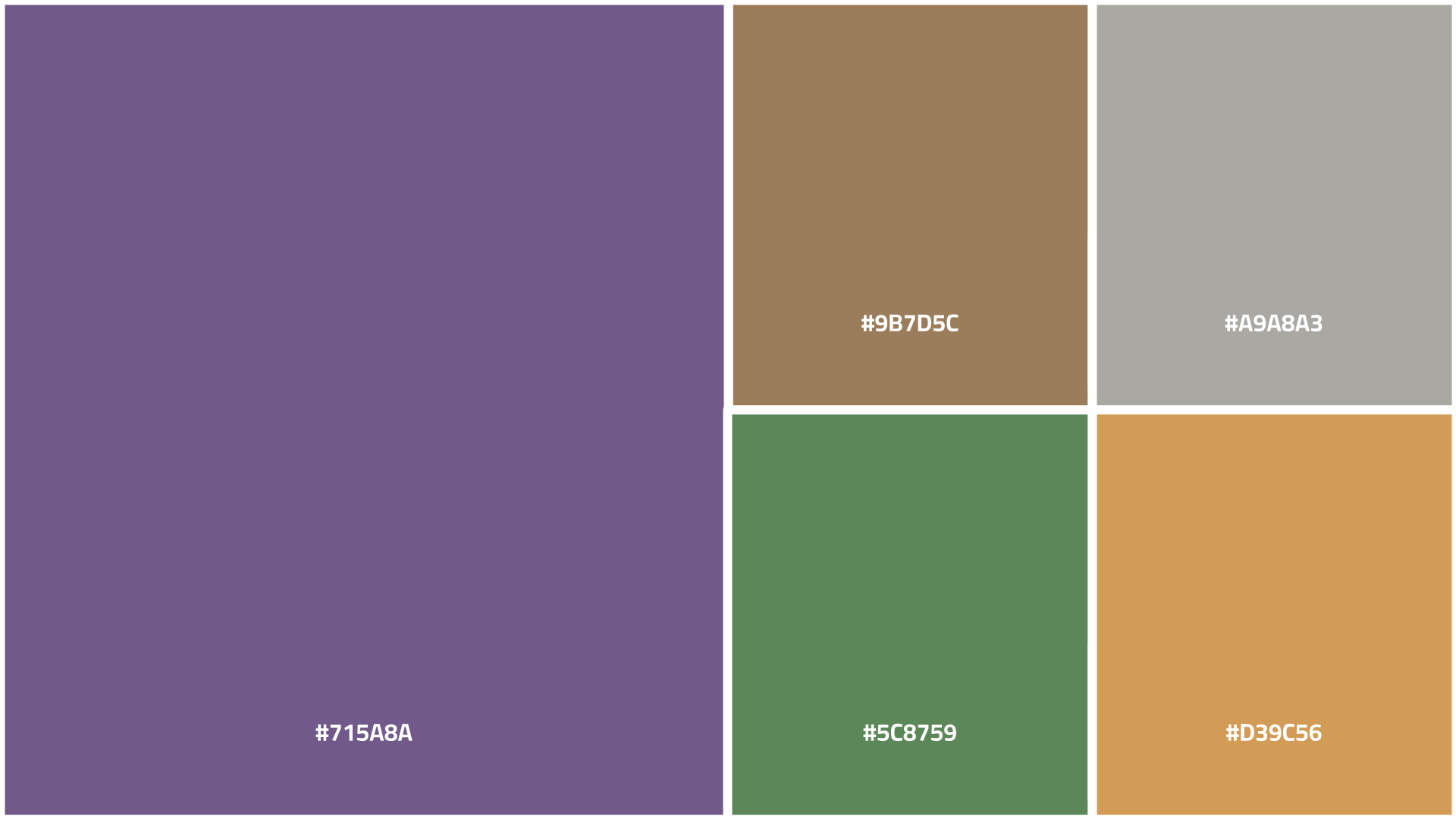
With each poem we share, we ask Claude 3 (Haiku) to generate a palette of five colors that embody the poem’s content and mood. Claude shares its color choices with us via hexadecimal codes, and we share them with you via the palette at the top of the post. Here’s Claude’s explanation for today’s colors:
#715a8a (Gentle, muted purple)
#9b7d5c (Warm, earthy brown)
#5c8759 (Muted, grounded green)
#a9a8a3 (Soft, subdued gray)
#d39c56 (Rich, golden ochre)
This palette captures the ancestral, timeless, and resilient nature of the poem's message, with a blend of warm, natural tones and more subdued, introspective hues. The colors evoke a sense of strength, wisdom, and the enduring power of the human spirit.
Things to Notice
If you’re interested in Ríos’ technique while reading, you might pay attention to one or two of the following:
Subtle use of metaphor (primarily within the phrase “a house called tomorrow”)
Gentle hyperbole (“You are not fifteen, or twelve, or seventeen— / You are a hundred wild centuries”)
Free verse that trends from long, flowing lines and phrases to short, declarative ones
The guiding metaphor within the poem—the idea of a house representing the future—is our favorite piece of this poem. It elicits so many interesting questions:
A house is where people live. What does it look like to build a future, a house, where those who come after us can live comfortably?
What are we to take from the notion that this house has been under construction since the inception of our great, collective family tree? Undoubtedly, those who came before us made the house of today stronger, safer, more equitable than the house where they lived, but in so doing, they also passed along an obligation for us to do the same.
To what degree do we have a hand in shaping the future? The poem seems to suggest our role is significant, which simultaneously burdens and empowers. How does that burden and empowerment show up in our lives?
As always, if you stumble across something brilliant, or if you have a question that lingers with you, leave us a comment. We’d love to hear from you.
Classroom Context
This poem is consistently a favorite with students, especially teenagers. Oftentimes eager for reassurance that they’re more than their circumstances and have the power to make something of their lives, secondary students gravitate to the tenor of Ríos’ words, and the relatively simple language within the poem makes it accessible for a wide range of readers. For those reasons, we recommend using this poem to break down students’ ideas of what poetry is and isn’t and who poets can and can’t be.
This poem is one to just enjoy alongside your kids.
If you’re looking to play a bit more in the depths, though, it’s worth exploring the poem’s central image described in more detail above. Ask your students what it looks like to build a house called tomorrow, then debate the merits of the metaphor itself. Why a “house” called tomorrow? Why not a road, a dam, a hospital, or any one of the other myriad things people build? This is a relatively easy access point for illustrating to students how well-structured comparisons of any sort—similes, metaphors, analogies, etc.—don’t simply beautify language—they add meaning. May Ríos’ poem do the same for your day, or even your life.